With college approaching for the class of 2026, several student-athletes are beginning to commit to college teams. The college sport recruitment process takes several months and requires students to work with different schools and determine where they best fit. Factors like an athlete’s skill level, position, academics and location preference all play into the final decision of where they commit.
Senior softball captain Azlyn Mcdonnell committed to the University of Wisconsin-La Crosse to continue her athletic journey. She said she began the process of college recruitment early by taking the initial step and reaching out to coaches through email, and considered location, school population and majors.
“(College recruitment) was quite a long process for me,” Mcdonnell said. “With all the technology today, it’s all on the athlete to reach out to the coaches so (I sent) a lot of emails. My first step was just figuring out what kind of colleges I wanted (to attend), how far I wanted to go, how big of a school and what majors (different schools) offered.”
Park Athletic Coordinator Rob Griffin said his role as a boys varsity football and basketball coach helps him keep tabs on his players and help them find schools that fit their specific athletic performances. As for his role as the athletic coordinator, Griffin said he assists students with the overall recruitment process and what it entails.
“For the sports that I coach, I keep a spreadsheet that has just about every recruiting coordinator for schools around the country, and we try to figure out what (schools) are good fits for our guys, whether it be D1, D2, D3, JUCO or NAIA,” Griffin said. “As the athletic coordinator, I act more as a resource for students (by helping them with) the process I’ve used as a coach, as well as just letting them know what the recruitment process looks like, from taking visits (to) reaching out to those schools and making sure that they’re a good academic fit as well.”
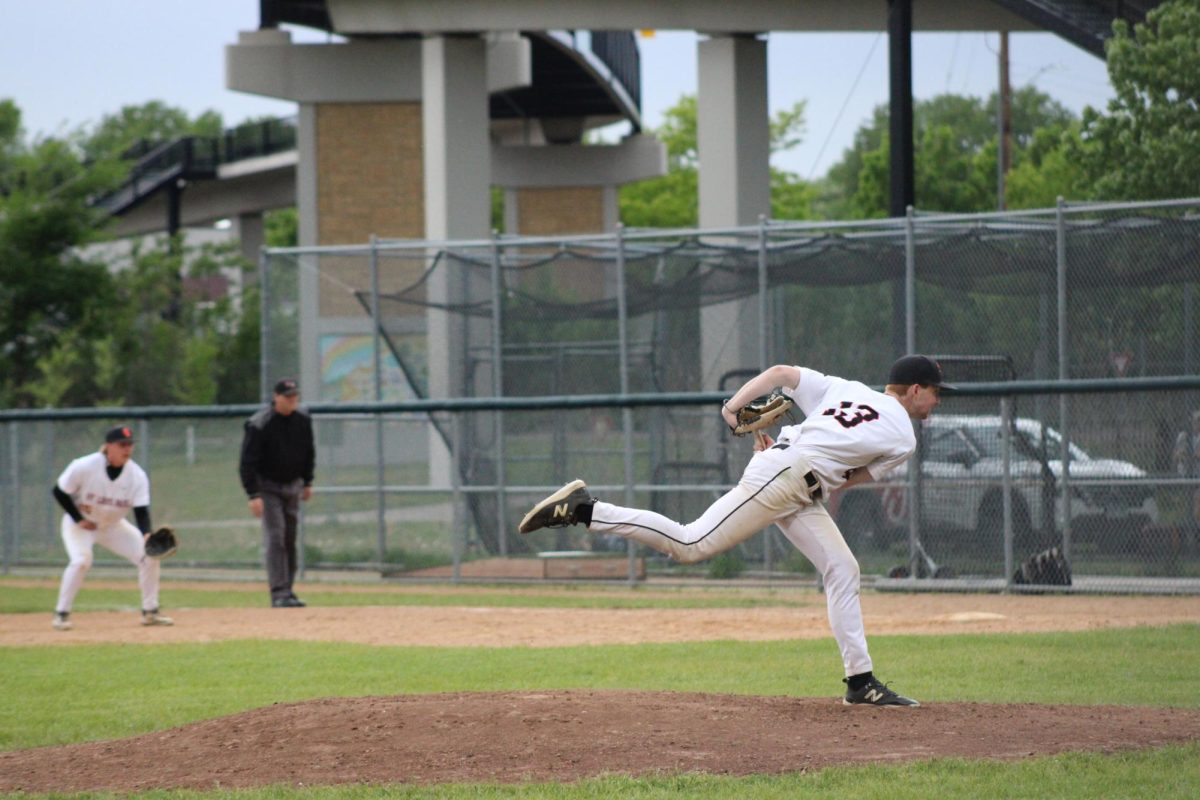
According to senior baseball player Miles Jungroth, similar to regular college admissions, he visited different schools to see which campus appealed to his personal desires the most. He said he reached out to several colleges online in an attempt to get recognized and find a perfect match.
“I went on a few visits to community colleges in Iowa (as well as) Winona State University, where I’m (now) committed,” Jungroth said. “(I was) reaching out to college coaches by emailing a whole bunch of them, trying to get a response and also posting on social media, trying to get colleges’ attention.”
Mcdonnell said the process has taught her a lot about herself through discovering what she’s looking for in a school and sports team. According to her, factors like new team connections and encouraging coaches helped influence her final decision, and she is excited to play at a more advanced level.
“You get to know yourself as a person, and figure out what kind of school and what kind of team environment you’re looking for,” Mcdonnell said. “I look forward to new experiences, the new people I’m going to meet, being coached by someone new and just the overall experience of playing at the collegiate level.”
According to Jungroth, scouts from various schools will visit during the season, looking for players they may want to recruit. He said he anticipates building up his skills and creating a strong bond with new teammates.
“(Different schools) come to baseball games and tournaments all over the country,” Jungroth said. “It was pretty fun to experience all the coach (visits). I look forward to growing and getting better every day, and making new friends and teammates.”
According to Griffin, finding a school suited for each student involves taking location, proximity to family and weather into consideration. Griffin said college coaches will oftentimes visit Park to discuss if any of the players he coaches match up with what they’re looking for at their schools.
“(The college recruitment process) is a lot of making sure the school is the right fit for the kid, (for example) if they want to stay close to home or if they want to go somewhere where there’s no snow in the winter,” Griffin said. “We’ll have anywhere from five to ten coaches that actually come to the school just to sit down and talk with me and figure out if any of our guys are a good fit for them.”