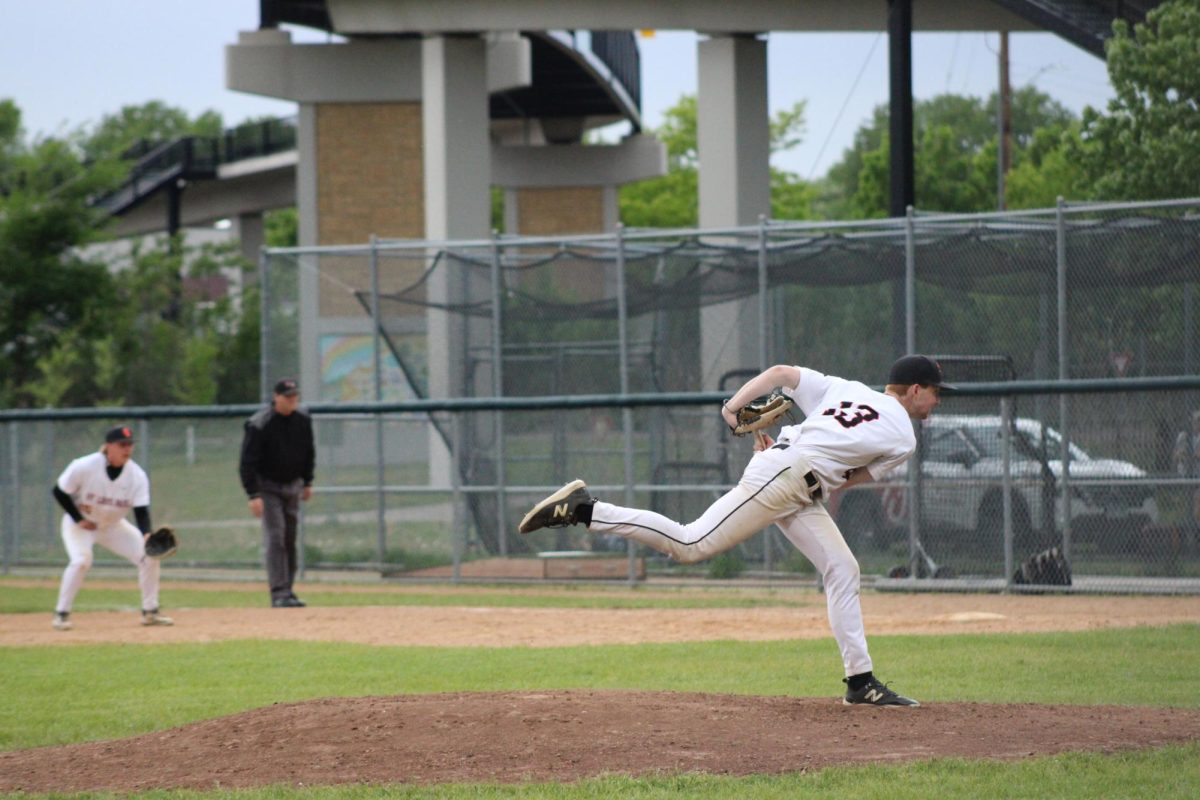

Many high school athletes train for years to become great at their sport. However, others join a sport in high school and instantly become better than some of the players who have been training for years. Do you call that skill? Luck? Or maybe pure talent? Many people end up playing sports in high school for reasons such as personal interest, following friends or conditioning for other sports. The true definition of an athlete is “a person who is proficient in sports and other forms of physical exercise.” Becoming proficient at a sport never just happens. It comes from the previous work and training you might have been doing your entire life, without even realizing it.
Park’s athletic coordinator, Robert Griffin, said the performance an athlete has is a result of the amount of training they do. According to him, if someone wants to be a great player, people will see that in them.
“Most high school athletes do the amount of training they want to see themselves at. If it’s someone who wants to be an all-conference or all-state, you will see them put in that level of intensity towards training,” Griffin said.
One of the truths in high school sports is that not everyone can train for months on end, including games, offseason training, fundraisers and time in the weight room during the season. Some people don’t have time, and others are not as committed as other players in a sport. Sophomore Jack Maliszewski, who has played hockey since third grade and baseball since fourth grade, said strength outside of the season is how you stay in shape and get work in.
“I do a lot of lifting in both my sports offseasons,” Maliszewski said. “Outside of practice, I try to keep my body healthy as much as possible for the season.”
According to senior Coralee Arnold, who started dancing at three years old, dance is a sport that requires immense training and overcoming challenges before mastering the skill.
“I don’t think someone could join dance and instantly become good,” Arnold said. “It takes lots of practice. If someone really wanted to and had the right mindset, they could learn and eventually be great at dance.”
Maliszewski said people who work hard are better off than those with initial talent. He said someone who is instantly good is never good just because of their physical ability.
“The people who instantly become good are never just good because of physical ability but because of their work ethic and what they do outside of practice to want to be good,” Maliszewski said.
Griffin said the need for talent depends on the sport played. He said being more athletic will lead to greater success, but if they put in the work and show up, they can learn and eventually succeed.
“Being good instantly varies sport by sport,” Griffin said. “Football is a good example of a sport where you could never have played before, (but) as long as you show up and take in all the coaching, learning on the fly, you could have instant success in that. You can’t necessarily say the same for hockey or volleyball; it’s not as easy to show up and be one of the better talents because of the amount of technical skill that goes into the sport.”
The phrase “natural athlete” is most often used in discussions of professional sports to describe younger, up-and-coming prospects trying to make it to the highest level of their sport. Coaches in any sport will strongly agree that training is what separates good players from great ones. Health and sports science strongly support repetition as being the biggest factor for athletes.
According to Arnold, more physically talented people will definitely be better off playing a sport. Arnold said, talent is something you have, which is different than your skill.
“Every sport requires some talent,” Arnold said. “The people who are more naturally flexible and just overall stronger are better suited for the more intense skills.”
In the end, the argument might not be talent or training, but both. Talent will open the door for many opportunities in sports, but training determines how far an athlete can go. Athletes preparing for upcoming seasons is crucial to the success of the player, and what you put into the sport is what you get out of it. A player could definitely have all the talent in the world and be good enough, but without proper effort, discipline, and year-round commitment, athletes may rely on their talent rather than their commitment to the game.